Glendale summers get the headlines, but the dry months are where a lot of homes quietly suffer. From late fall through spring, the air coming out of your vents can pull moisture out of everything in the house, including you. If you have been wondering whether a humidifier belongs on your furnace, these are the signs we see most often at homes around Glendale, and what each one usually points to.
Your skin and lips feel tight by midafternoon
A little dryness after a shower is normal. Skin that feels tight all day, lips that split even with lip balm, or a nose that bleeds for no obvious reason is different. When indoor relative humidity drops well below what most people are comfortable with, your skin loses water faster than you can replace it. That is often the first sign people notice, and it usually shows up in January and February when the heater runs the most.
Check whether the dryness follows you around the house or only shows up in one room. If the bedroom is the worst, the thermostat may be close to a supply register that blows hard, or the door stays shut and the room never gets enough circulation. If it is everywhere, the whole system is probably pulling moisture out of the air, and that is a job for a whole-home humidifier rather than a plug-in unit.
Static shocks every time you touch a doorknob
Static is one of the most dependable indicators of dry air. Carpet, wool sweaters, and rubber soles build up charge when there is not enough water vapor in the air to carry it away. A shock now and then is no big deal. Shocks that happen several times a day, or that zap your pets, your kids, or the dog every time they walk across the living room, tell you the humidity has dropped past the point where your house feels right.
Electronics can also act up. Keyboards that stop responding, a laptop that sparks when you plug in a charger, or a TV that flickers when it is cold outside are all tied to the same dry air. Static is annoying, but it is also a sign that your heating system is running with no moisture coming back into the rooms.
Wood, paint, and furniture start to change
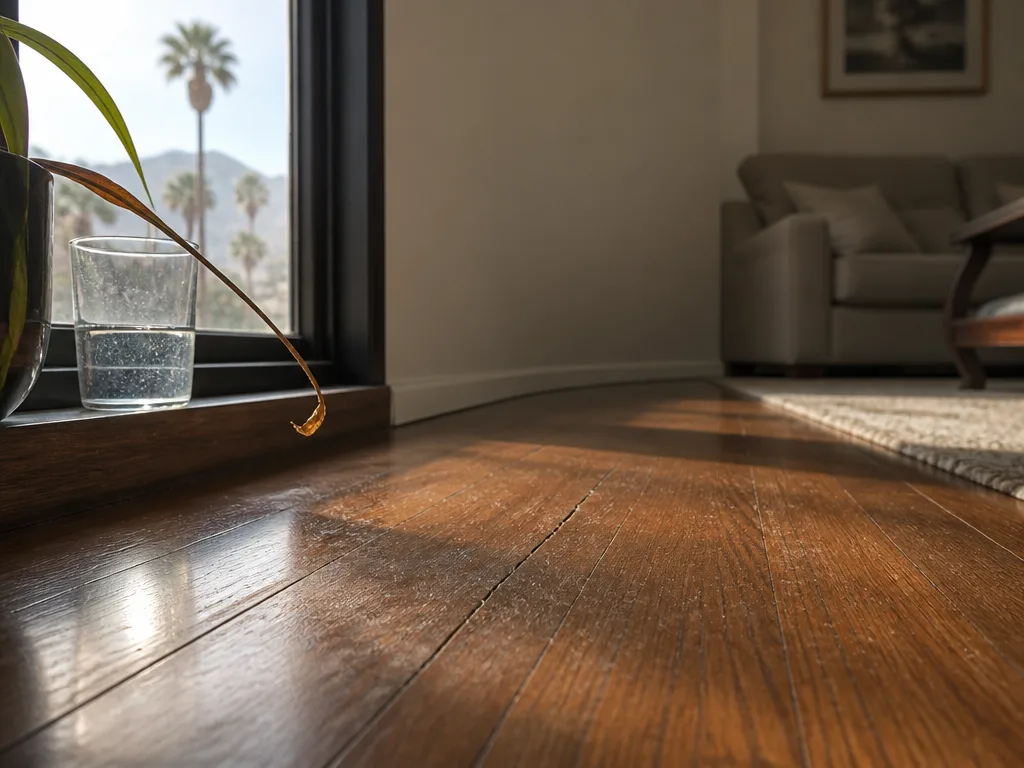
Dry air does more than hurt people. Hardwood floors can gap between boards in the winter, and then swell back closed in the spring. Door frames may stick or rub in ways they did not before. Picture frames can crack along the joints, and wooden instruments go out of tune. Each of these is a sign the wood is giving up moisture it normally holds.
Paint and drywall can show the strain too. Hairline cracks near corners or seams, especially around windows, often come from a house that dries out faster than it settles. A few small cracks are common in any home. If you are seeing new ones every season and they line up with the coldest months, indoor humidity is a likely contributor worth checking before you patch them again.
Your heating runs constantly but the house never feels warm
This one surprises people. Dry air feels cooler than humid air at the same temperature, because moisture on your skin helps you hold heat. Many homeowners respond by turning the thermostat up, which makes the furnace run longer and dries the air even more. The cycle feeds itself. If the house seems chilly at 70 degrees, you may actually be dealing with a moisture problem rather than a heat problem.
Watch your energy use across a few cold weeks. A house that stays comfortable at a lower setting with a humidifier running is a common result we see after installation. The change is not always dramatic, but it is one reason people who add humidity tend to stop chasing the thermostat.
Sinuses, coughs, and sleep that never quite refreshes
Dry air dries out the lining of your nose and throat. That can mean a scratchy throat when you wake up, a stuffy nose that never fully clears, or a cough that hangs on longer than it should. Some people also notice nosebleeds more often in winter, and light sleepers may wake up with a dry mouth. None of these prove the house is too dry on their own, but they show up together often enough that they are worth taking seriously when the air is also causing other problems.
If anyone in the home has asthma or allergies, dry air can make symptoms harder to manage. Talk with your doctor if breathing problems are part of the picture. Then look at the house. A humidifier does not replace medical care, but it can take some of the load off a home that is working against you every night.
What each sign usually points to
Most of these symptoms trace back to one of three things, and each one leads to a different fix.
- Dry air across the whole house: Usually the furnace is pulling moisture out faster than the building can supply it. A whole-home humidifier that ties into your ductwork handles this best.
- Dryness in one or two rooms: Often a layout or airflow issue. Closed doors, a bedroom far from the return, or a register that sends too much air in one direction can all cause it. A portable unit may help for a while, but the airflow should be checked.
- Problems that come and go with the season: Typically a winter-only dryness that matches your heating schedule. This is the most common pattern in Glendale homes, and it is what a humidifier installed on the furnace is designed to address.
Before you buy anything, it helps to know your house. Note when the symptoms show up, which rooms feel worst, and whether the heater runs most of the day. Those details make the conversation with our team faster and more useful.
Why a whole-home humidifier usually makes more sense in Glendale
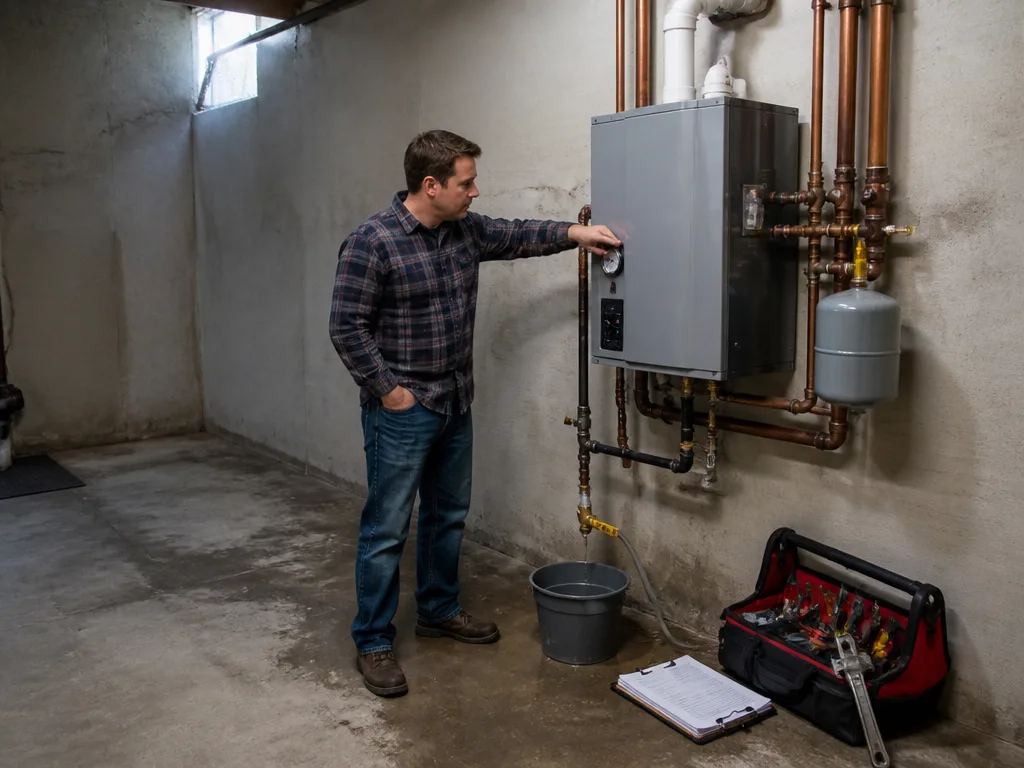
A lot of Glendale homes sit on systems that were sized for a standard indoor climate, not for the dry stretch that comes every winter. A whole-home unit mounts on the furnace or air handler and adds moisture to the air as it moves through the house. You do not have to refill tanks every day or chase water stains around the living room. The unit works with the system you already have.
Installation is not a one-size-fits-all job. The right size depends on square footage, how tight the home is, the type of system, and how the ductwork runs. Our team looks at those details on site before recommending a model. That is more reliable than buying the biggest unit at a big box store and hoping for the best.
When to call AC Repair Glendale
If you have checked off two or three of the signs above, and especially if the furnace runs nonstop during cold snaps, give us a call. AC Repair Glendale can talk through what you are seeing, explain which option fits your home, and schedule an appointment for the week that works for you. Call the office directly at your convenience and we will take it from there. Dry air is not an emergency in most cases, but it does not get better on its own, and catching it early keeps the wood, the paint, and your skin in better shape through the whole season.