First, make sure you actually have a boiler
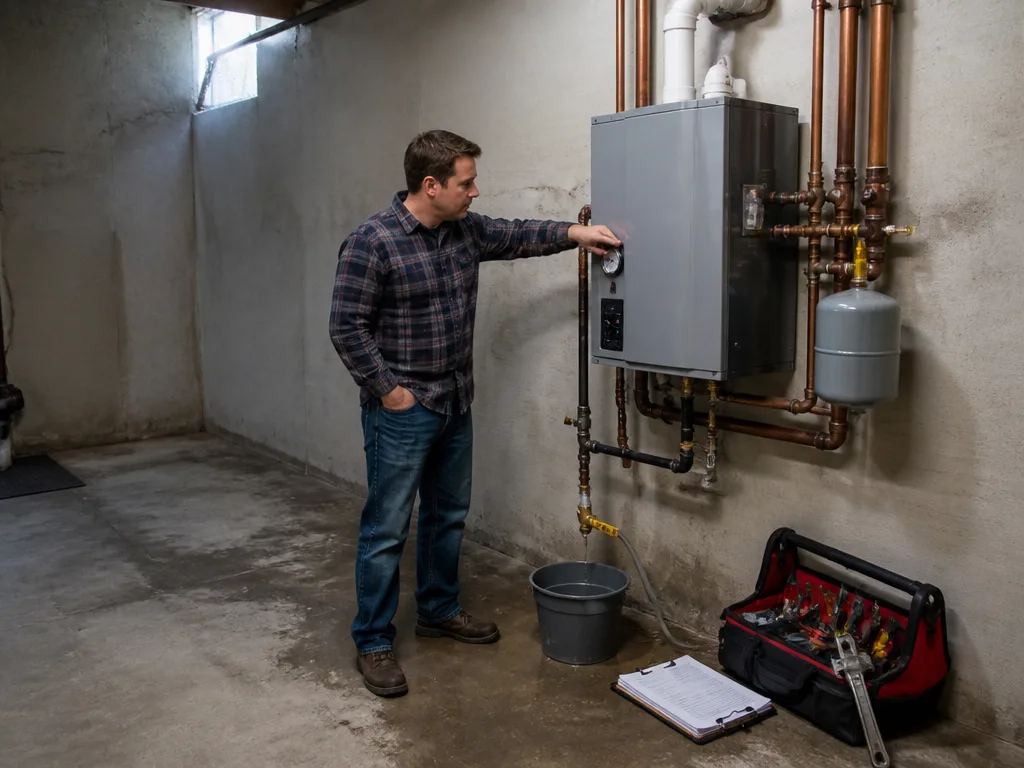
Most Glendale homes run a heat pump or a gas furnace and nothing else. A boiler heats water instead of air, so it looks different. Usually it's a metal unit sitting near the water heater, with a pressure gauge on the front and thick tubing running into the walls or floors. Some older homes have radiators, and some newer ones use radiant floor loops fed by a boiler. If you're not sure which you have, our team at AC Repair Glendale is happy to help you sort it out over the phone.
Why bother with the distinction? Because a boiler and a forced-air system need different habits. If you treat a boiler like a furnace, you'll skip the checks that actually matter.
Monthly habits that take about ten minutes
You don't need tools for most of this. You need a few minutes and a habit of looking at the unit when you walk past it.
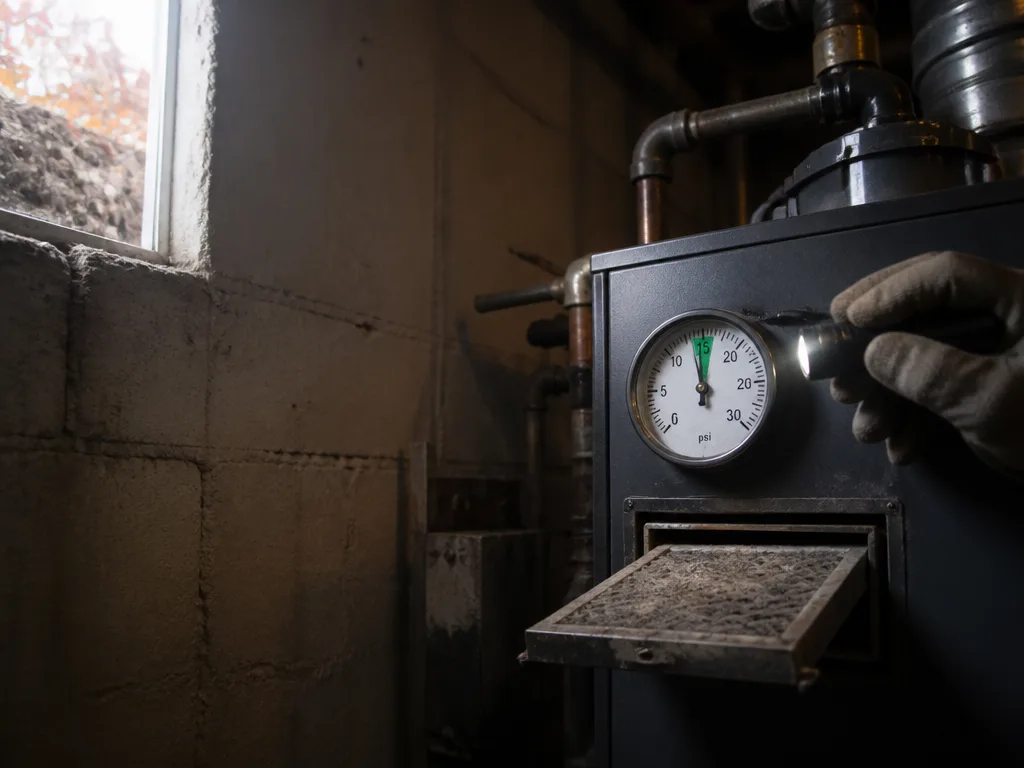
- Read the pressure gauge with the system cold. Most residential boilers sit somewhere around 12 to 15 psi, but check the label on your unit because the number varies by model.
- Look underneath and around the base for drips, crusty white residue, or rust-colored water stains.
- Listen when the heat kicks on. Banging or gurgling usually means air or sediment is moving through the system where it shouldn't be.
- Confirm the thermostat is calling for heat and the room temperature actually changes.
Write the gauge reading on a sticky note or in your phone. A pressure number that creeps up or drops over a few weeks tells you more than any single reading ever will.
Seasonal work before the first real cold snap
Glendale winters are short, but the nights in December and January can drop into the 30s and 40s, and that's when a boiler gets pushed hardest. Boilers sit idle through the summer, which is exactly why problems tend to show up in the fall, right when everyone turns the heat on at once.
Bleed the radiators
If your home has radiators, air gets trapped inside them over the warm months. Trapped air blocks hot water and leaves the top of the radiator cold. Keep a small key and a towel nearby, open the valve slowly until water starts to hiss out, then close it once the water runs steady. Afterward, check the boiler pressure again, because bleeding lowers it a little.
Check the expansion tank
The expansion tank gives water room to grow as it heats up. Tap the tank with your knuckles. A solid thud usually means it has lost its air cushion or is waterlogged. A hollow, lighter sound is what you want. A failing tank is one of the more common reasons a boiler starts cycling on and off, and it's not something to work around for long. This is a good moment to call our HVAC technicians rather than guessing.
Look at the venting
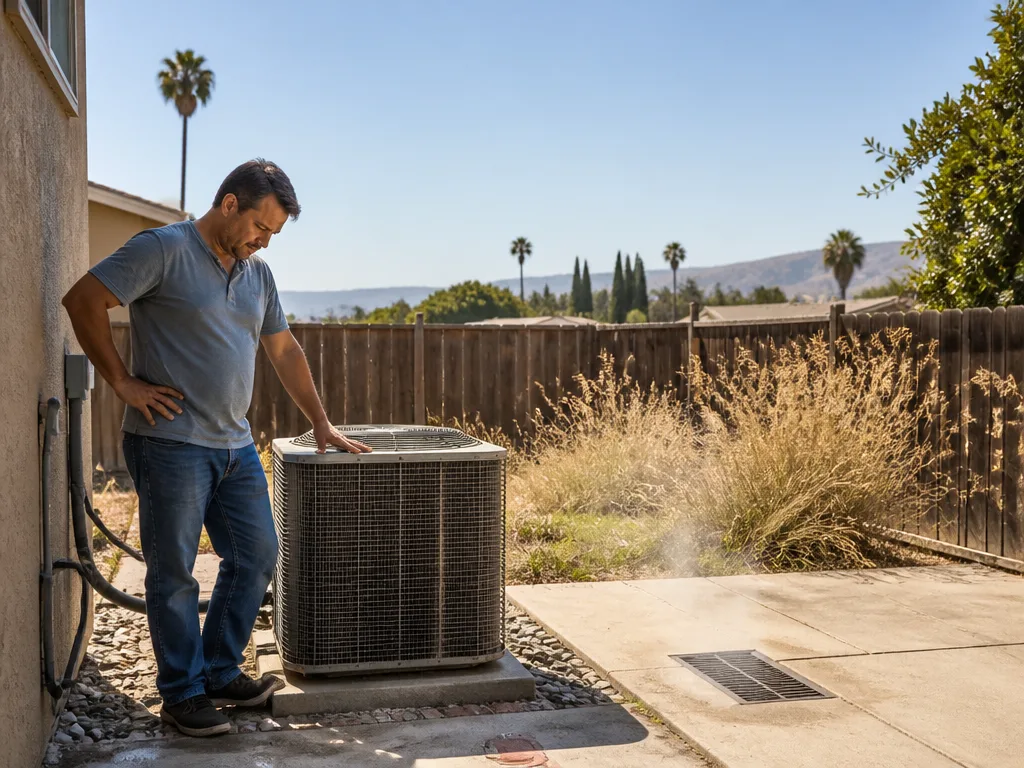
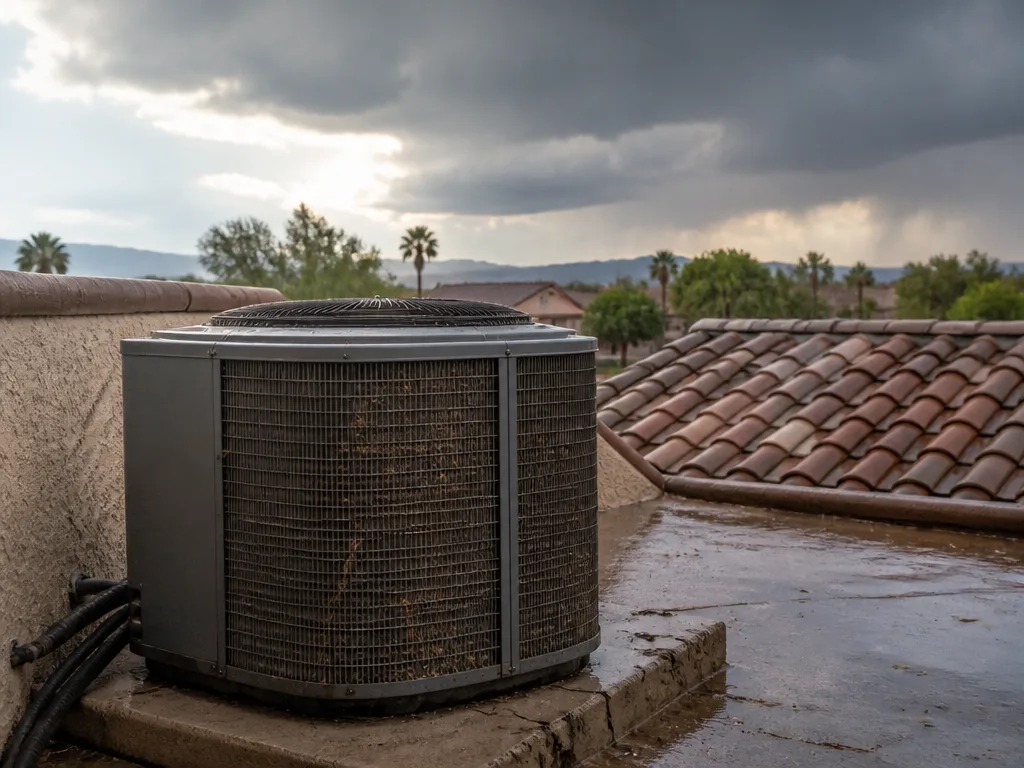
Gas boilers need clear venting to push exhaust out safely. Walk outside and look at the vent cap. Dust, spider webs, leaves, and the occasional wasp nest all make it harder for the unit to breathe. Keep the area around the cap clear, and don't store anything against the wall where the vent exits.
Water quality is the sneaky one
Glendale water is hard, and hard water leaves mineral scale wherever it goes. Inside a boiler, that scale coats the heat exchanger and acts like insulation the wrong way around. The burner has to run longer and hotter to move the same heat, and the metal takes the punishment. Over time you get noisy operation, uneven heating, and eventually a crack that no amount of patching will fix.
There are two practical responses. One is a water softener sized for your household and checked on a regular schedule. The other is a periodic system flush, where an HVAC technician drains the loop, cleans out sediment, and refills it with properly treated water. Ask whoever services your boiler how often your water should be checked, since the answer depends on your home and how much the system has already collected.
A short list of things to do yourself, and things to leave alone
Some of the checks above are safe for any homeowner. Others aren't. Here's how we would split them up:
- Yours to handle: reading the gauge, bleeding radiators, keeping the vent clear, and watching for drips.
- Leave to the pros: adjusting the gas valve, touching the burner, replacing the expansion tank, and any repair involving the heat exchanger.
If you smell gas, shut the unit off and get out of the house first. Then call your gas provider and then us. Don't try to find the leak yourself.
When to call instead of waiting it out
A boiler rarely fails with no warning. You'll usually see something first. Pressure that keeps dropping after you add water, a unit that shuts down and restarts on its own, water pooling beneath it, or heat that comes through only in part of the house all deserve a phone call soon, not next month. Waiting usually turns a small job into a bigger one.
When you call AC Repair Glendale, tell us what you've already noticed. Mention the pressure readings you've been writing down, when the problem happens, and how old the unit is if you know. That gives our HVAC technicians a head start and keeps the conversation focused on your home. Give us a call whenever something on this list looks off, and we'll talk through what it could mean for your Glendale house before the cold really sets in.